Ask five Toronto homeowners what a heat pump costs and you’ll get five different answers, ranging from “about ten grand” to “more than a car.” Ask five contractors and you’ll get five different quotes, some of which aren’t even pricing the same thing. The confusion is understandable — a heat pump isn’t one product with one price, it’s a system sized to your house, your ductwork, and your heating setup, and the rebates that come off the top keep changing.
This guide gives you the real picture for Toronto in 2027: typical installed prices, what actually drives the cost up or down, what you’ll pay after the rebates that are available today, and what a proper quote should include so you can compare apples to apples. The prices here are typical ranges and illustrations, not quotes — your home decides the real number — but they’ll make sure no quote surprises you.
What a Heat Pump Installation Typically Costs in Toronto
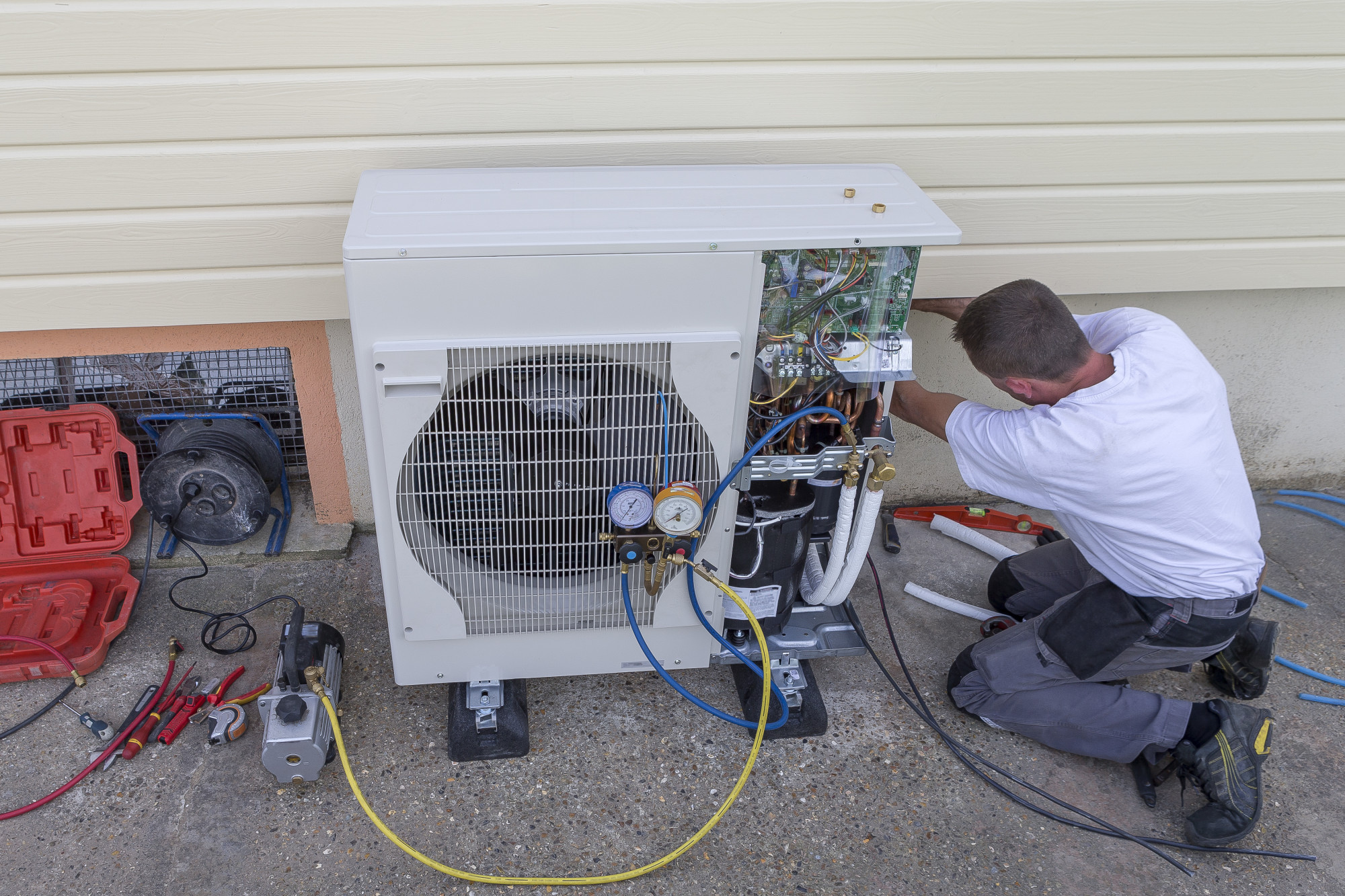
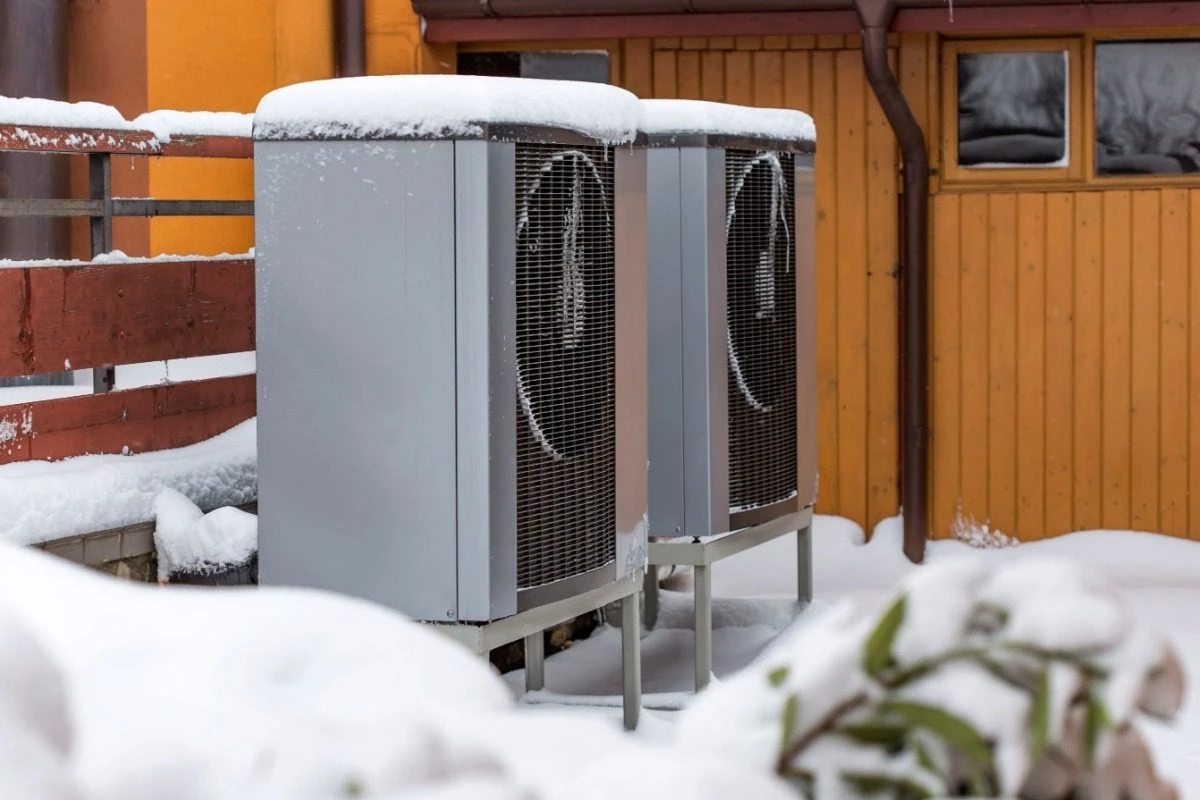
As typical Toronto ranges: a cold-climate air-source heat pump, fully installed, generally runs about $12,000 to $22,000 before incentives. That’s the whole job — equipment, labour, refrigerant lines, electrical work, and commissioning — for a system sized to a normal Toronto home. A hybrid install that keeps your existing gas furnace as backup usually lands at the lower end of that range, because the furnace stays and the heat pump is sized to carry the shoulder seasons rather than the coldest nights on its own.
Where you land in that range depends on your house, not on the brand sticker. A smaller, well-insulated home with good ductwork sits at the lower end. A larger home, or one with ductwork that needs modification, or an electrical panel that needs upgrading, sits at the higher end. Ductless mini-split systems are a different shape again — they suit homes without ductwork, and they’re priced per indoor head, so a one-head install and a four-head install are very different jobs. Anyone who quotes you a firm number without seeing your house is guessing, and you should treat it that way.
What Drives the Cost Up or Down
Size is the first driver, and it’s not about square footage alone — it’s about heat loss. A drafty century home in the Annex and a new build in Scarborough with the same floor area need very different systems, because one leaks heat and the other doesn’t. A proper quote starts with a heat-loss calculation, not a rule of thumb, and if a contractor sizes your system from square footage alone, that’s a red flag.
Ductwork is the second driver. If your ducts are in good shape and sized for the airflow a heat pump needs, the install is straightforward. If they’re undersized, leaking, or need new runs, that work adds to the bill — and skipping it to save money is a false economy, because a heat pump starved of airflow won’t heat your house properly no matter how good the unit is.
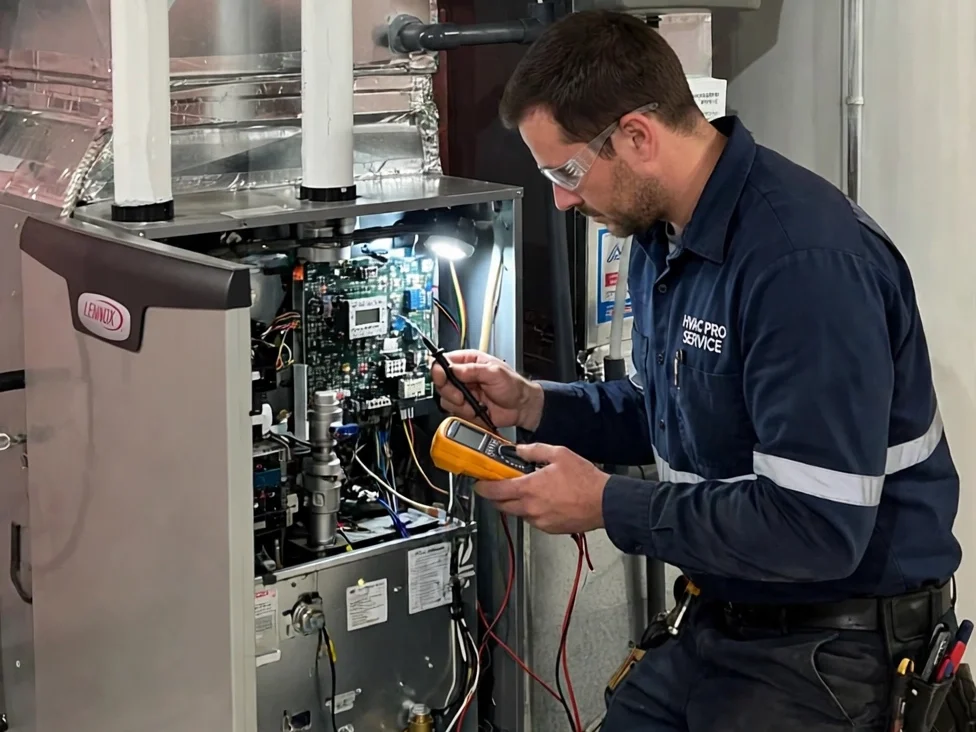
The third driver is the electrical side. Heat pumps need a dedicated circuit, and older Toronto homes with 100-amp panels sometimes need a panel upgrade before the system can go in. That’s real work with a real cost, and it should be in the quote, not discovered on install day. The fourth driver is the setup choice itself: hybrid versus all-electric. A hybrid keeps your gas furnace for the coldest days and lets the heat pump do the efficient work the rest of the year, which usually means a smaller heat pump and a lower installed price. All-electric means the heat pump carries everything, including a minus-twenty night, which means a bigger system and usually a higher price — but no gas bill at all.
What You Actually Pay After Rebates
The sticker price is only half the story, because the rebates in Ontario right now are substantial — and they change the math completely. Run the rebates against the middle of the range, say a $16,000 install, and here’s what the illustrations look like.
For an electrically heated home, Ontario’s Home Renovation Savings (HRS) program pays up to $7,500 back for a cold-climate air-source heat pump, bringing the net cost to roughly $8,500. For an Enbridge gas home, HRS pays $2,000 back, for a net of roughly $14,000 — with lower gas bills in the shoulder seasons and full air conditioning in the summer as part of the deal. Those are illustrations, not quotes, and they depend on your heating fuel and your system — but they show why the rebate math matters more than the sticker price.
Then there’s the federal layer. The National Heat Pump Rebate announced on October 8, 2026, would subtract another $2,000, or up to $10,000 for below-median-income households, from either scenario — if and when it opens. It’s not open yet, its launch is targeted for early 2027, and whether fall 2026 installs will qualify retroactively is reported but unconfirmed. So the honest way to budget is this: count the HRS rebate you can claim today, and treat the federal money as a bonus if it lands. If it does, a $16,000 install in an electrically heated home could net out dramatically lower than the sticker suggests — but don’t sign a contract that depends on money that doesn’t exist yet.
Two HRS rules you need to know before you sign anything. First, your installation has to be pre-approved, in writing, through the program before the equipment goes in — install first and apply later, and you get nothing. Second, HRS’s current funding window is widely reported to run through November 30, 2026, and funding is allocated as applications come in. If you’re planning a fall install, get the pre-approval filed now. Our Ontario heat pump rebates guide covers the full picture of what’s open, what’s closed, and what the federal announcement means for your timing.
What a Proper Quote Should Include
A quote you can compare with confidence has five things in it. The equipment, by model number — not “a 3-ton heat pump” but the actual unit, so you can check its cold-climate rating. The scope of work: what’s included (lines, electrical, ductwork changes, thermostat, commissioning) and what’s not. The rebate math, done for your specific heating setup, showing the HRS amount you qualify for and whether the pre-approval is handled by the contractor or by you. The warranty, parts and labour, in writing. And the total, with the rebates shown separately from the installed price, so you can see what you pay on install day versus what comes back later.
If a quote is missing any of those five, ask for it before you compare. The cheapest quote in Toronto is often the one that left something out — the electrical upgrade, the ductwork, the commissioning — and that something shows up as an extra charge later. The most expensive quote isn’t necessarily the best either; it’s the most complete quote, with the rebate math done honestly, that’s worth signing.
One more thing to check: whether the model being quoted is on the eligible product lists. A heat pump that isn’t cold-climate rated, or isn’t on the program’s approved list, doesn’t qualify for the rebates no matter how good the price looks. Eligibility is part of the quote, not an afterthought.
Frequently Asked Questions
How much does a heat pump cost in Toronto?
A cold-climate air-source heat pump, fully installed, typically runs about $12,000 to $22,000 before incentives in Toronto. A hybrid install that keeps your gas furnace as backup usually lands at the lower end. After HRS rebates, a $16,000 install nets to roughly $8,500 for an electrically heated home or roughly $14,000 for an Enbridge gas home. These are illustrations, not quotes — your home’s size, ductwork, and electrical panel decide the real number.
Is a heat pump cheaper than a furnace?
Upfront, usually not — a heat pump installation costs more than a straight furnace replacement. After rebates, the gap narrows a lot, and over time the heat pump wins on running costs in the shoulder seasons plus gives you full air conditioning in summer. The honest comparison is total cost over ten years, not sticker price on day one — get both options quoted side by side.
Do I need to upgrade my electrical panel?
Sometimes. Heat pumps need a dedicated circuit, and older Toronto homes with 100-amp panels may need an upgrade before the system can go in. That work should be in your quote, not discovered on install day. A proper quote includes the electrical scope, so ask about it before you sign.
Can I keep my gas furnace and add a heat pump?
Yes — that’s a hybrid system, and it’s the most common setup in Toronto. The heat pump handles the mild and shoulder-season weather efficiently, and the gas furnace takes over on the coldest nights. Hybrids usually cost less to install than all-electric systems because the heat pump can be sized smaller, and they still qualify for HRS rebates.
Will the federal rebate make it even cheaper?
Potentially, yes — the announced federal rebate would add $2,000, or up to $10,000 for below-median-income households, on top of HRS. But it’s not open yet, its launch is targeted for early 2027, and retroactive eligibility for fall 2026 installs is unconfirmed. Budget around the HRS rebate you can claim today, and treat the federal money as a bonus if it lands.
Get the Number for Your Home, Not Someone Else’s
Heat pump prices in Toronto vary for real reasons — your home’s heat loss, your ductwork, your panel, and whether you go hybrid or all-electric. The ranges in this guide tell you what’s reasonable. The rebates tell you what you’ll actually pay. But only an in-home quote with the rebate math done for your specific setup gives you the number you can decide on.
EcoCare Home Comfort installs rebate-eligible heat pumps across Toronto and the GTA, and we handle the HRS pre-approval paperwork with you before any work starts — so the rebate is locked in, not hoped for. If your furnace is near the end of its life, we’ll price both a furnace replacement and a heat pump option side by side, with the rebates you’re actually eligible for today factored in. Details on systems and sizing are on our heat pump installation page. Call us at (888) 929-2270 for a free quote, 24/7, and we’ll tell you straight what a heat pump costs for your home — and what it costs after the rebates.